onymos-logo

Eliminate intake errors before they become revenue loss.

Use lab-native AI to transform manual workflows into clean, connected data pipelines powering reimbursement, client services, and more.

Checkmark icon

HIPAA Compliant

Checkmark icon

SOC 2 Type II

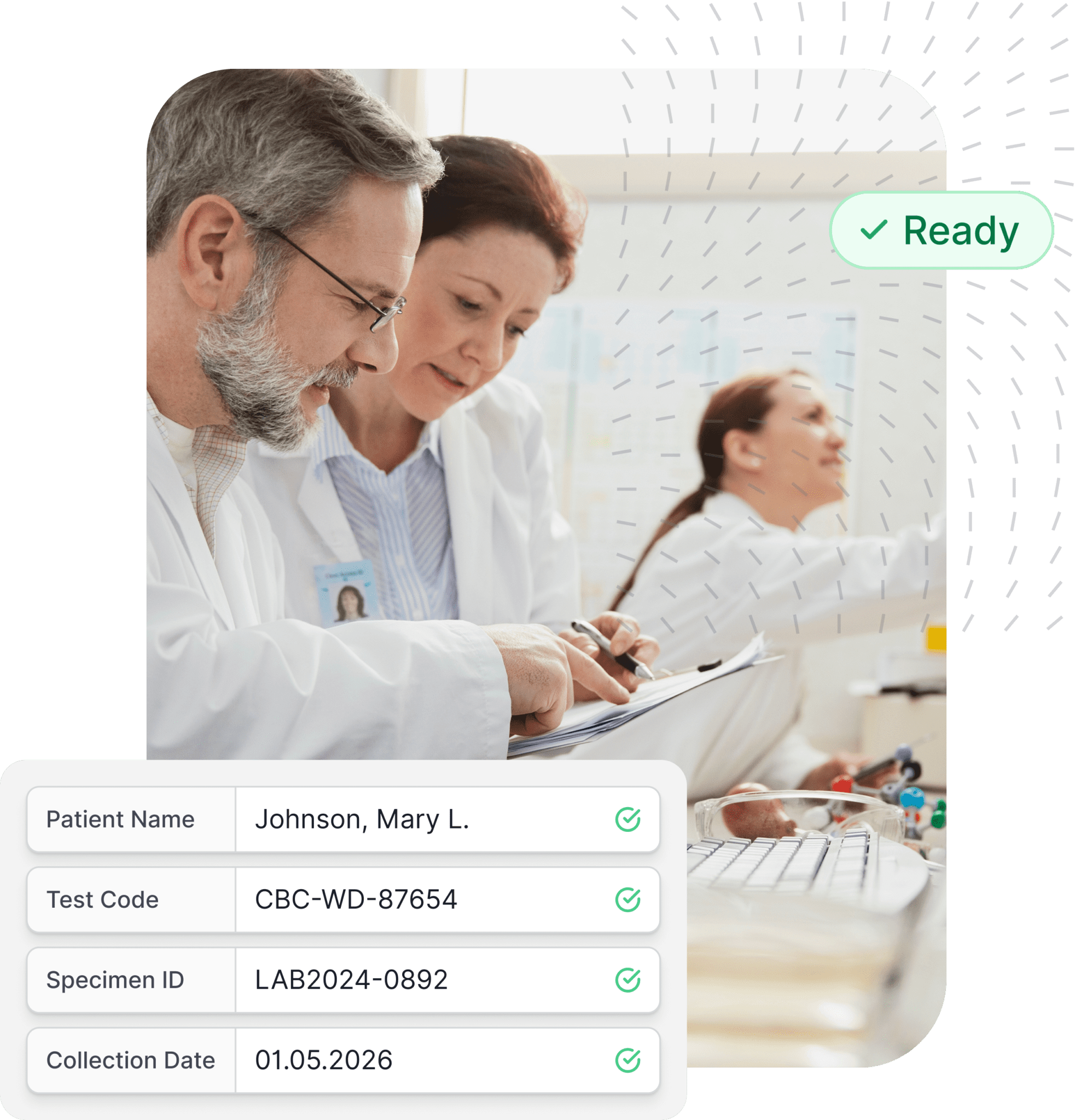
Scientists reviewing documents and data.

Eliminate intake errors before they become revenue loss.

Use lab-native AI to transform manual workflows into clean, connected data pipelines powering reimbursement, client services, and more.

Checkmark icon

HIPAA Compliant

Checkmark icon

SOC 2 Type II

Eliminate intake errors before they become revenue loss.

Use lab-native AI to transform manual workflows into clean, connected data pipelines powering reimbursement, client services, and more.

Checkmark icon

HIPAA Compliant

Checkmark icon

SOC 2 Type II

Scientists reviewing documents and data.

60%

less rework for ops teams

84%

reduction in intake errors

99.7%

data validation accuracy

60%

less rework for ops teams

84%

reduction in intake errors

99.7%

data validation accuracy
Onymos DocKnow

Clean data. No rework. Faster reimbursement.

Across clinical laboratories, incomplete test orders, inconsistent information, and disconnected systems create compliance risks and downstream errors that ops teams have to fix. DocKnow replaces all of these failure points with intelligent document and data processing from the first touch.

Onymos DocKnow

Clean data. No rework. Faster reimbursement.

Across clinical laboratories, incomplete test orders, inconsistent information, and disconnected systems create compliance risks and downstream errors that ops teams have to fix. DocKnow replaces all of these failure points with intelligent document and data processing from the first touch.

Guardant logo

Customer Story:

Hyperscaling laboratory intake

Guardant Health is in growth mode. As more oncologists and health systems adopt its next-gen blood tests, the volume of incoming documentation has skyrocketed. Manual processes couldn’t keep up.

That’s why Guardant partnered with Onymos to transform intake with DocKnow. Today, incoming documentation is automatically captured, verified, and routed downstream. The result is more accurate data and an intake process that can keep pace with Guardant’s growth.

Guardant logo

Customer Story:

Hyperscaling laboratory intake

Guardant Health is in growth mode. As more oncologists and health systems adopt its next-gen blood tests, the volume of incoming documentation has skyrocketed. Manual processes couldn’t keep up.

That’s why Guardant partnered with Onymos to transform intake with DocKnow. Today, incoming documentation is automatically captured, verified, and routed downstream. The result is more accurate data and an intake process that can keep pace with Guardant’s growth.

Build your intelligent intake layer.

Build your intelligent intake layer.

Ingest complex documents from any source.

Directly upload TRFs, medical records, and other documents, or integrate with your entire ecosystem to power a custom data capture pipeline.

And because DocKnow is deployed inside your infrastructure, you’re always in control.
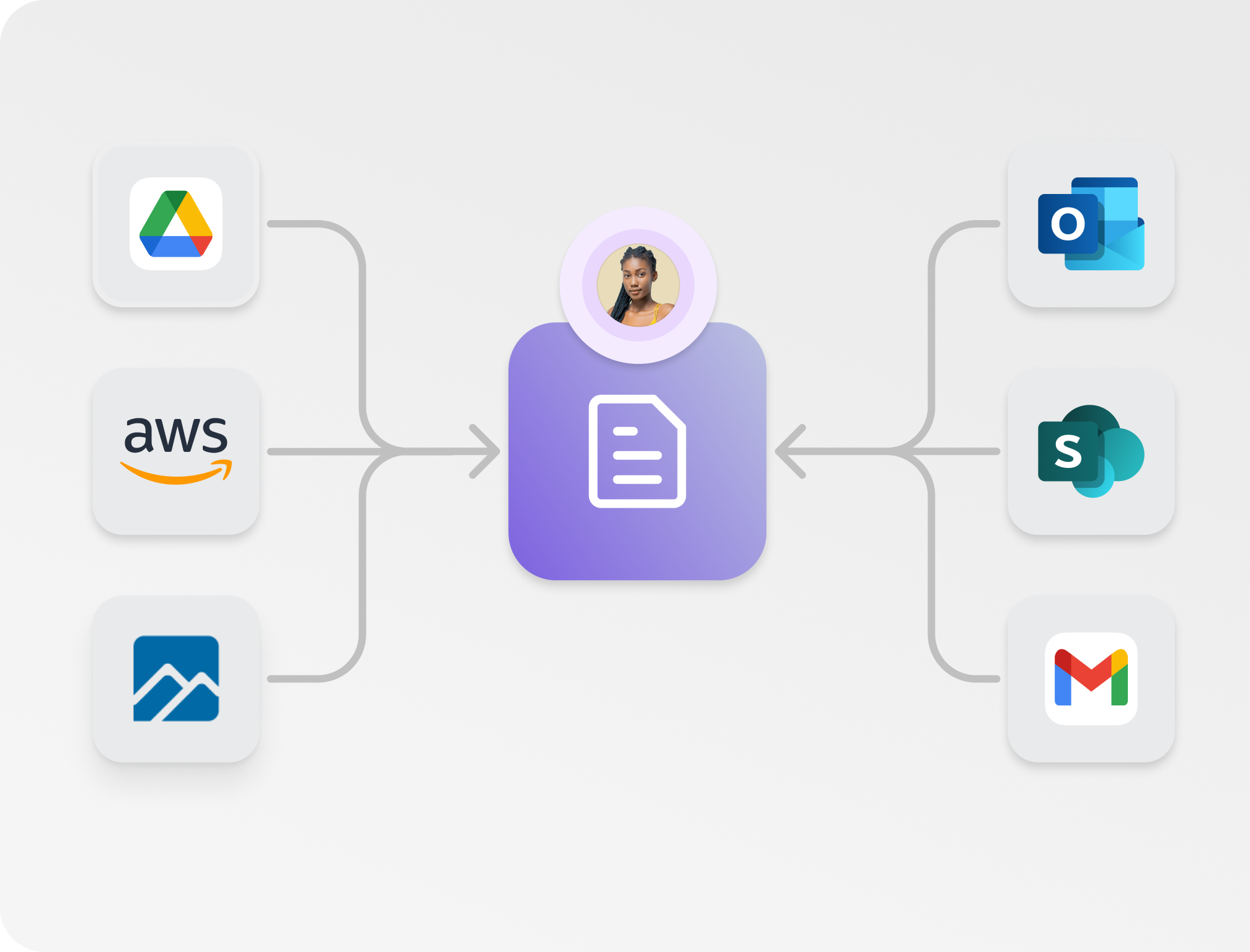
Integrations with DocKnow.

Ingest complex documents from any source.

Directly upload TRFs, medical records, and other documents, or integrate with your entire ecosystem to power a custom data capture pipeline.

And because DocKnow is deployed inside your infrastructure, you’re always in control.
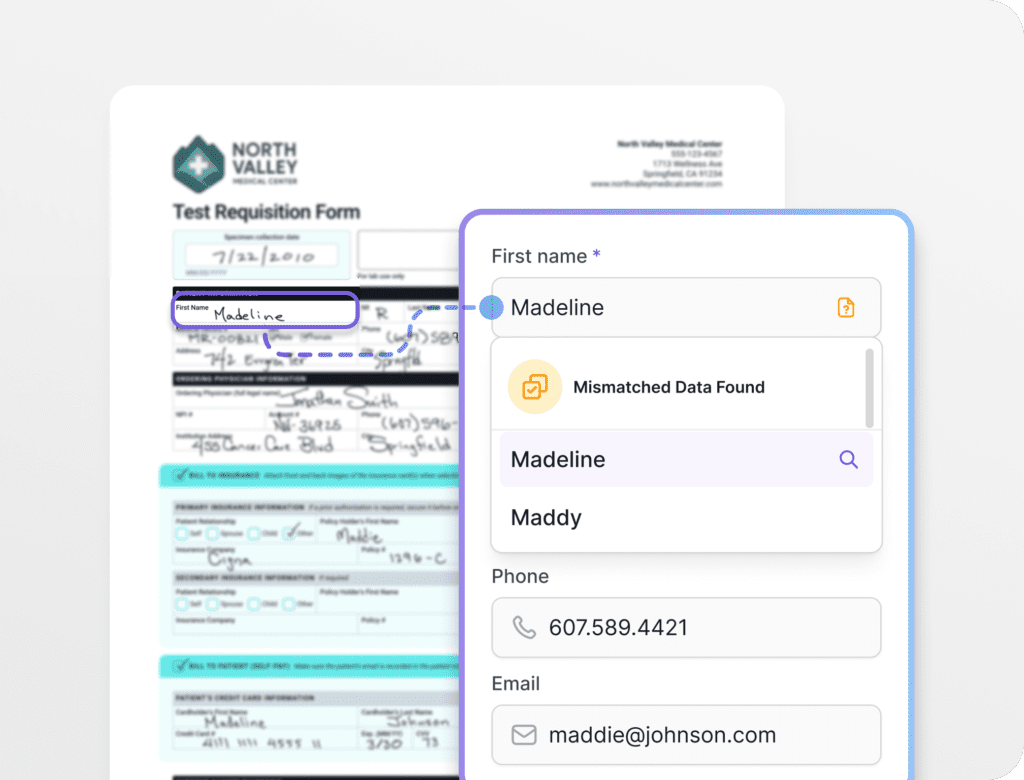
Extract structured and unstructured data

Go beyond simple OCR.

DocKnow understands context, relationships, and terminology specific to precision medicine. It can identify and flag conflicting information automatically and perform eligibility checks to confirm test coverage instantly.
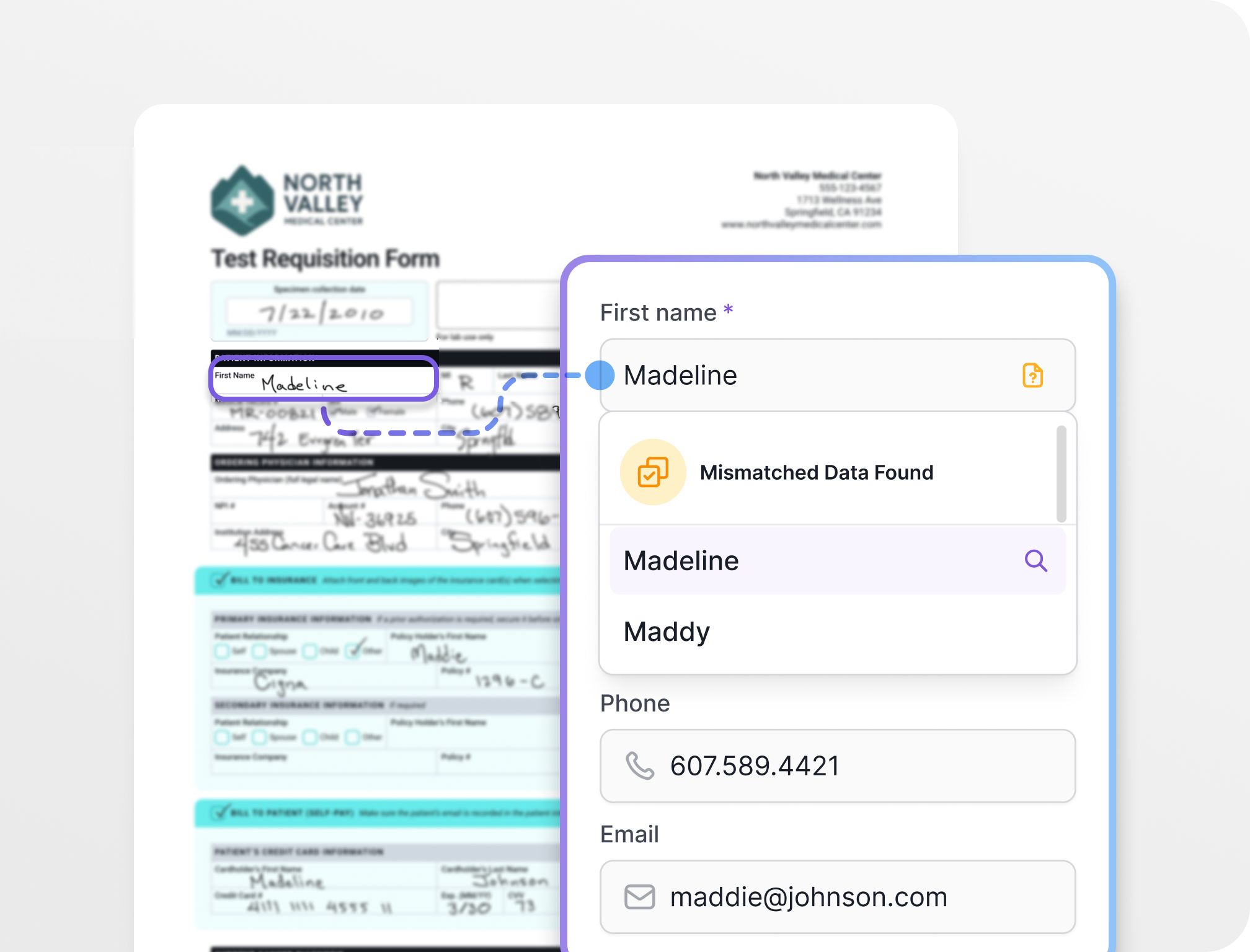
DocKnow finding mismatched data.

Extract structured and unstructured data

Go beyond simple OCR.

DocKnow understands context, relationships, and terminology specific to precision medicine. It can identify and flag conflicting information automatically and perform eligibility checks to confirm test coverage instantly.

Govern and track every action, end-to-end.

Configure custom business rules to control how data is formatted, validated, and accessed.

Then generate granular summaries and immutable changelogs to stay audit ready and in compliance.
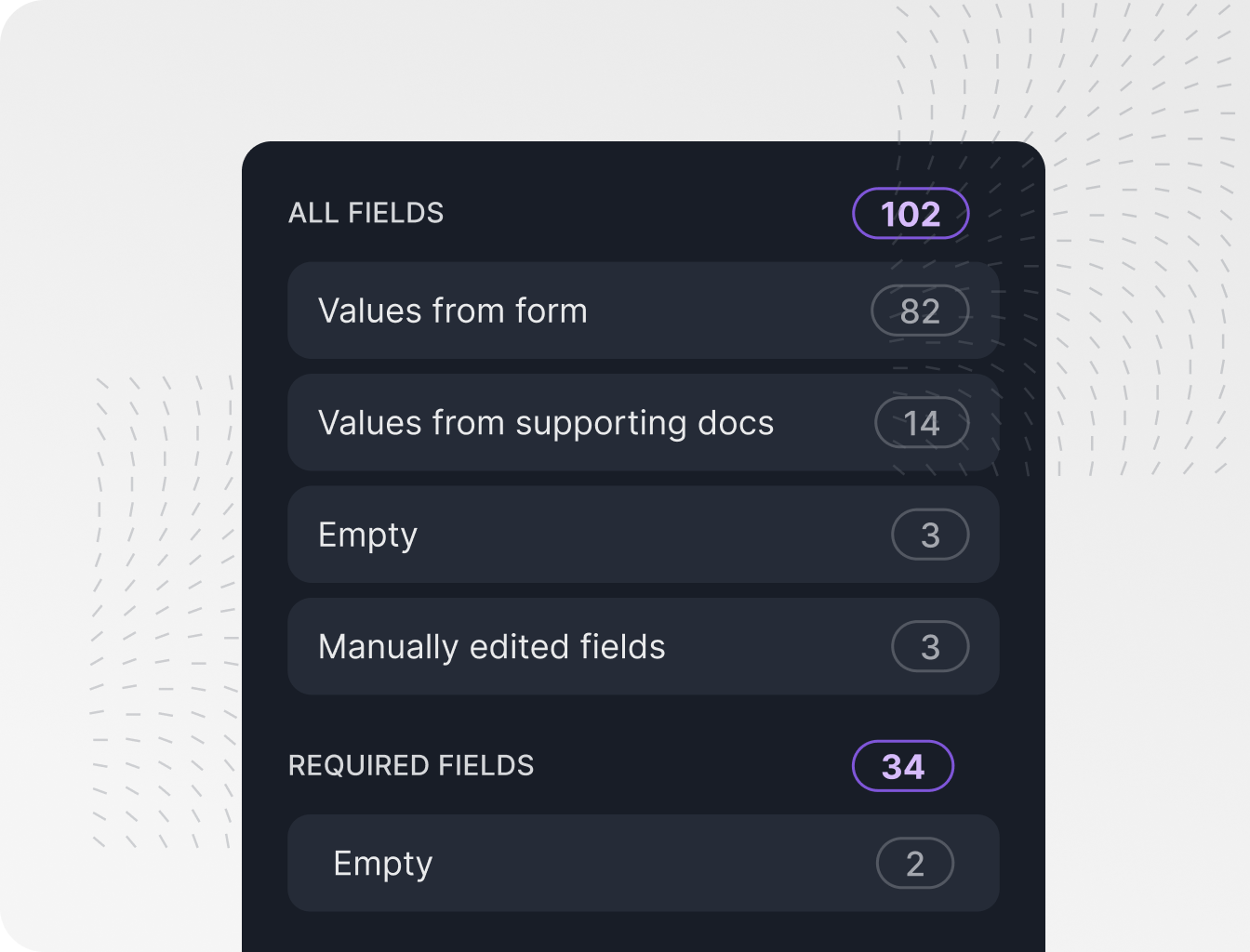
DocKnow audit trail.

Govern and track every action, end-to-end.

Configure custom business rules to control how data is formatted, validated, and accessed.

Then generate granular summaries and immutable changelogs to stay audit ready and in compliance.
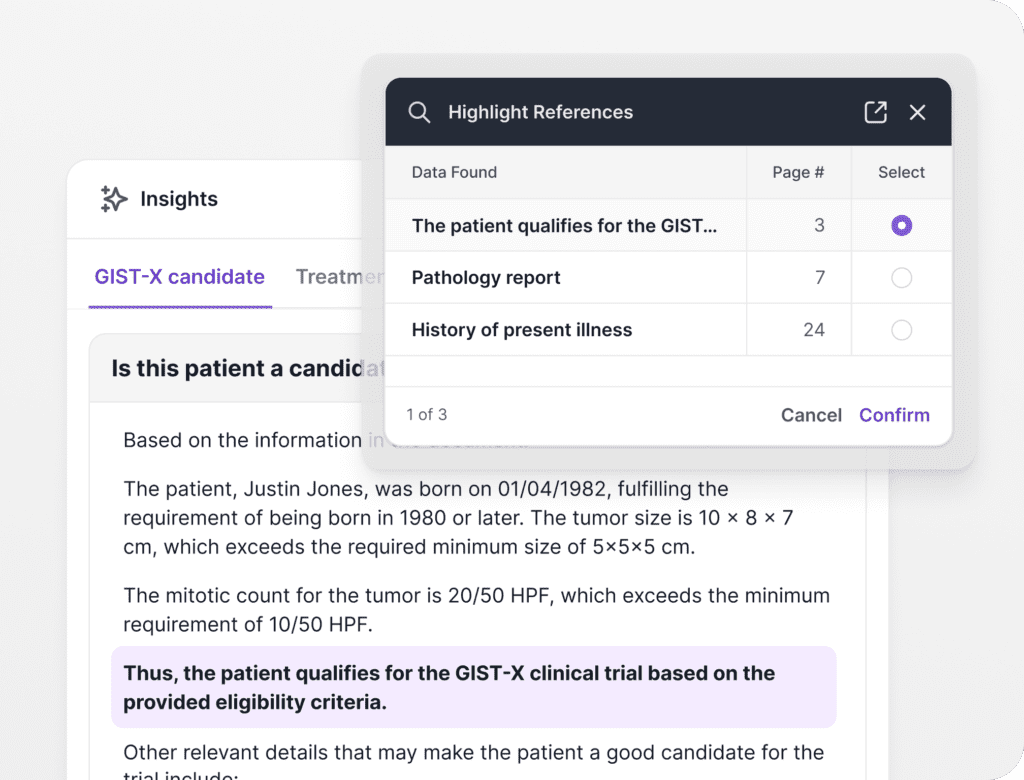
Drive better, smarter decision-making.

Use DocKnow’s AI, Nucleus, to go even deeper into your data.

Surface clinical insights, create complex reports, or turn your lab’s SOPs into real-time, source-linked guidance for your ops teams.
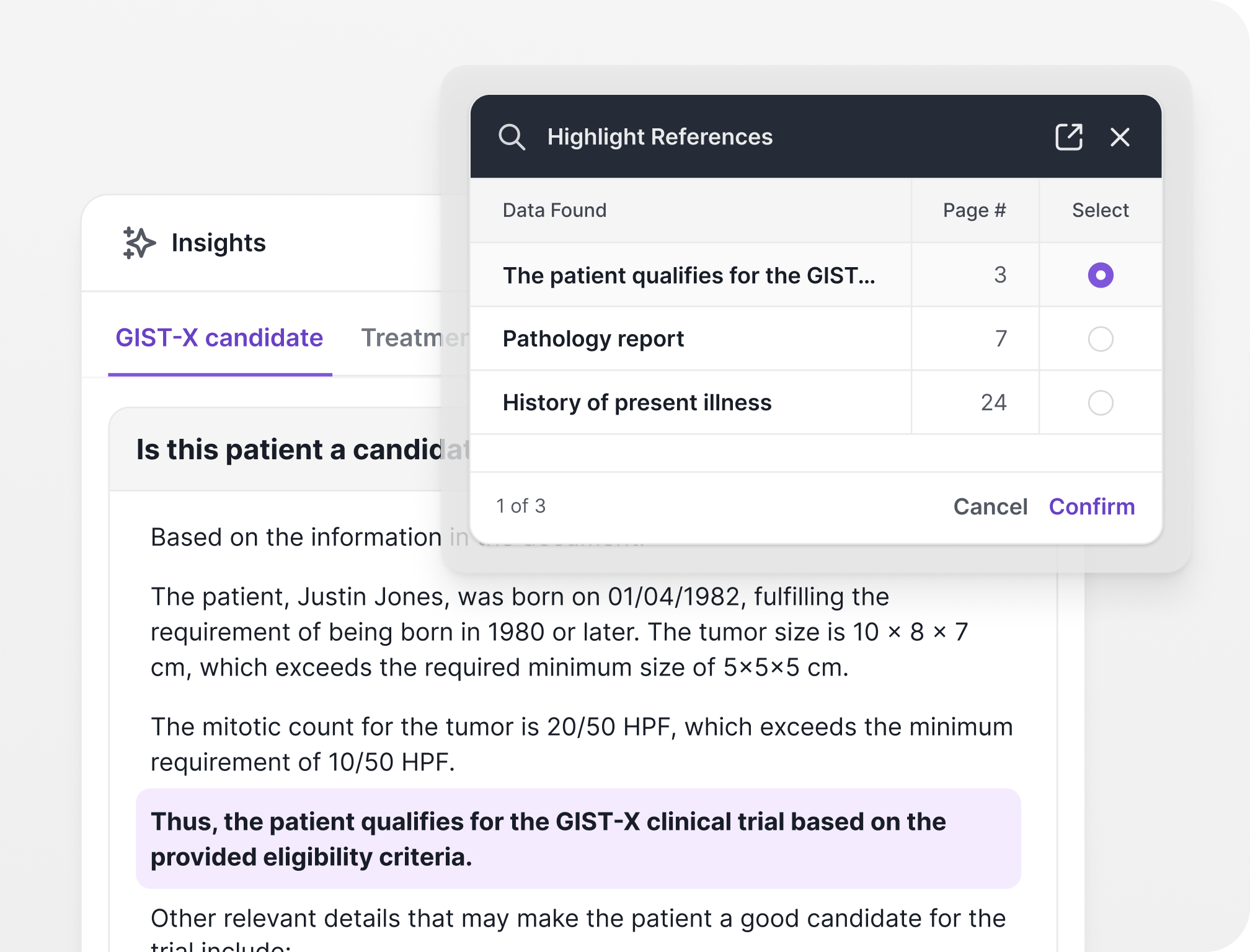
DocKnow AI analysis.

Drive better, smarter decision-making.

Use DocKnow’s AI, Nucleus, to go even deeper into your data.

Surface clinical insights, create complex reports, or turn your lab’s SOPs into real-time, source-linked guidance for your ops teams.

Get answers to some of the DocKnow questions we’re asked the most.

IDP uses techniques like optical character recognition (OCR), deep learning, and semantic reasoning to automatically extract and analyze your document data. 

While legacy automation software just mimics clicks and keystrokes, IDP understands context. It knows that “7.2” in a pH field isn’t the same as “7.2” in a dosage field, and it can still interpret information even when it’s unstructured.

This is what enables IDP platforms like DocKnow to automate even the most complex, sensitive, or dynamic workflows.

DocKnow processes both structured and unstructured documents commonly used in clinical laboratories, including test requisition forms (TRFs), medical records, pathology reports, insurance cards, face sheets, lab results, remittance advice, and supporting documentation.

It supports PDFs, TIFFs, JPEGs, PNGs, and other common file formats, including multi-page and handwritten documents.

DocKnow’s AI is trained on thousands of healthcare and life sciences documents and includes built-in integrations with ICD and CPT taxonomies. Its core features, like SmartSync, were developed over time in collaboration with lab managers, retail pharmacists, and healthcare administrators. 

Most importantly, DocKnow was built using our award-winning No-Data Architecture to air gap the sensitive PII and PHI our customers process.

DocKnow achieves its high accuracy by combining OCR with AI analysis, custom business rules, and human oversight. If data is mismatched or confidence is low, the system presents human reviewers with simple, visual indicators that make correcting potential errors quick and easy.

Even without human intervention, DocKnow’s AI can interpret handwriting with over 95% accuracy by considering field context, layout position, and related data.

A CIM (Cognitive Insight Model) is an AI system designed to generate insights. Unlike LLMs (Large Language Models), which excel at conversational text generation, CIMs specialize in complex, domain-specific analysis. DocKnow’s AI is a CIM is called Nucleus, and is configurable for your specific use case.

SmartSync is the AI-powered data reconciliation engine within the DocKnow platform. It automatically compares extracted values to data in supporting documents and connected systems to detect missing, mismatched, or conflicting information. When discrepancies are found, SmartSync flags them for resolution before data is passed downstream, helping to ensure accuracy, reduce rework, and maintain clean, compliant records.

Structured data refers to information organized in a consistent, predefined format, like a spreadsheet, making it straightforward to extract and process. Unstructured data, like an email exchange, lacks a fixed format. 

Many document types actually fall into a subset of unstructured data called semi-structured data. These documents might be formally structured, like a test order form, but also include handwritten physician notes in the margins or conditional free-form text fields. 

One of DocKnow’s benefits is that it can handle unstructured data too, not just the clean, structured data that’s easy to process and show off in demos.

Onymos software is built using our award-winning No-Data Architecture. We don’t access, capture, or store customer data. Instead, all data remains securely within the customer’s own environment, whether that’s on-prem or the cloud.

Additionally, Onymos is certified SOC 2 and HIPAA compliant.

Most platforms and services capture and store their customers’ data. It’s lucrative (for the vendors). But it’s risky (for the customers). In healthcare, over 55% of data breaches happen through third-party vendors.

That’s why we do things differently. Using No-Data Architecture means fewer points of failure, less data exposure overall, and simpler compliance for you. And in a post-AI world, where data is more valuable than ever, this isn’t just a technical choice.

It’s a strategic one.

By default, DocKnow’s UI is completely customizable. Your team deploys the UI where you want it and has direct access to the actual CSS and HTML. Additionally, customers can license DocKnow’s functional source code.

All of the actions DocKnow can perform are controlled via API. That means you can also choose to build your own UI around DocKnow’s functionality or integrate it into existing digital services.

DocKnow is typically priced based on usage (e.g., the number of API calls or number of forms processed) and the features you want to include.

You don’t.

DocKnow is the most modular, adaptable intelligent document processing platform available. Choose and purchase only the features your organization needs.

Get answers to some of the DocKnow questions we’re asked the most.

IDP uses techniques like optical character recognition (OCR), deep learning, and semantic reasoning to automatically extract and analyze your document data. 

While legacy automation software just mimics clicks and keystrokes, IDP understands context. It knows that “7.2” in a pH field isn’t the same as “7.2” in a dosage field, and it can still interpret information even when it’s unstructured.

This is what enables IDP platforms like DocKnow to automate even the most complex, sensitive, or dynamic workflows.

DocKnow processes both structured and unstructured documents commonly used in clinical laboratories, including test requisition forms (TRFs), medical records, pathology reports, insurance cards, face sheets, lab results, remittance advice, and supporting documentation.

It supports PDFs, TIFFs, JPEGs, PNGs, and other common file formats, including multi-page and handwritten documents.

DocKnow’s AI is trained on thousands of healthcare and life sciences documents and includes built-in integrations with ICD and CPT taxonomies. Its core features, like SmartSync, were developed over time in collaboration with lab managers, retail pharmacists, and healthcare administrators. 

Most importantly, DocKnow was built using our award-winning No-Data Architecture to air gap the sensitive PII and PHI our customers process.

DocKnow achieves its high accuracy by combining OCR with AI analysis, custom business rules, and human oversight. If data is mismatched or confidence is low, the system presents human reviewers with simple, visual indicators that make correcting potential errors quick and easy.

Even without human intervention, DocKnow’s AI can interpret handwriting with over 95% accuracy by considering field context, layout position, and related data.

A CIM (Cognitive Insight Model) is an AI system designed to generate insights. Unlike LLMs (Large Language Models), which excel at conversational text generation, CIMs specialize in complex, domain-specific analysis. DocKnow’s AI is a CIM is called Nucleus, and is configurable for your specific use case.

SmartSync is the AI-powered data reconciliation engine within the DocKnow platform. It automatically compares extracted values to data in supporting documents and connected systems to detect missing, mismatched, or conflicting information. When discrepancies are found, SmartSync flags them for resolution before data is passed downstream, helping to ensure accuracy, reduce rework, and maintain clean, compliant records.

Structured data refers to information organized in a consistent, predefined format, like a spreadsheet, making it straightforward to extract and process. Unstructured data, like an email exchange, lacks a fixed format. 

Many document types actually fall into a subset of unstructured data called semi-structured data. These documents might be formally structured, like a test order form, but also include handwritten physician notes in the margins or conditional free-form text fields. 

One of DocKnow’s benefits is that it can handle unstructured data too, not just the clean, structured data that’s easy to process and show off in demos.

Onymos software is built using our award-winning No-Data Architecture. We don’t access, capture, or store customer data. Instead, all data remains securely within the customer’s own environment, whether that’s on-prem or the cloud.

Additionally, Onymos is certified SOC 2 and HIPAA compliant.

Most platforms and services capture and store their customers’ data. It’s lucrative (for the vendors). But it’s risky (for the customers). In healthcare, over 55% of data breaches happen through third-party vendors.

That’s why we do things differently. Using No-Data Architecture means fewer points of failure, less data exposure overall, and simpler compliance for you. And in a post-AI world, where data is more valuable than ever, this isn’t just a technical choice.

It’s a strategic one.

By default, DocKnow’s UI is completely customizable. Your team deploys the UI where you want it and has direct access to the actual CSS and HTML. Additionally, customers can license DocKnow’s functional source code.

All of the actions DocKnow can perform are controlled via API. That means you can also choose to build your own UI around DocKnow’s functionality or integrate it into existing digital services.

DocKnow is typically priced based on usage (e.g., the number of API calls or number of forms processed) and the features you want to include.

You don’t.

DocKnow is the most modular, adaptable intelligent document processing platform available. Choose and purchase only the features your organization needs.

Author Jamie Goodnight

Jamie Goodnight in AI • Insight • Onymos

What Is Actual AI Innovation?

“Onymos VP of Engineering Bhavani Vangala told me, ‘Everybody has an API. Some have the UI layer. Our offering includes all of that, but it goes beyond that. I call what we’re doing knowledge-base embedding. It’s end-to-end.’”

Certified SOC 2 and HIPAA compliant.

Guardant Health, Personalis, Vanta Diagnostics and more all trust Onymos to help them automate their high-volume, high-complexity document workflows.

“From a security perspective, there was really no concern because there is no data leaving the customer’s boundary,” says Prabhakar Ramakrishnan, CloudWave President, whose company leverages Onymos DocKnow in their document digitization application for the federal government.

Certified SOC 2 and HIPAA compliant.

Guardant Health, Personalis, Vanta Diagnostics and more all trust Onymos to help them automate their high-volume, high-complexity document workflows.

“From a security perspective, there was really no concern because there is no data leaving the customer’s boundary,” says Prabhakar Ramakrishnan, CloudWave President, whose company leverages Onymos DocKnow in their document digitization application for the federal government.

SOC 2 badge
HIPAA

Schedule your demo.

Overlay